
RETIREMENT PLANNING
Set Clear Retirement Goals
Decide When to Retire: Think about when you'd like to retire. The State Pension age in the UK is gradually rising, so be aware of when you’ll be eligible to start receiving it. Have you amended your Workplace Pension to your desired retirement age?
Estimate Retirement Costs: Work out what your lifestyle in retirement will cost. Consider housing, food, travel, hobbies, and healthcare. Don’t forget inflation, which can erode your purchasing power over time.
Think About Life Expectancy: People are living longer, so plan for a retirement that could last 25–30 years or more.
Eliminate Debt Before Retirement
Ideally, you should aim to be debt-free by the time you retire. Focus on paying off high-interest debt, such as credit cards or loans. If you still have a mortgage, consider how you’ll manage this once you stop working. Some people aim to pay off their mortgage before retiring, while others may choose to downsize or move to a smaller property.
Review Your Estate Planning
Wills and Inheritance: Make sure your will is up-to-date, especially if you’ve had major life changes like marriage, children, or the purchase of a property. Additionally, you need to take into account the implications of inheritance tax.
Powers of Attorney: You may also want to consider setting up a lasting power of attorney (LPA) to allow someone you trust to make decisions on your behalf if you become unable to manage your affairs.
Beneficiary Designations: Ensure that your pension scheme or other financial accounts have up-to-date beneficiary designations so that your assets go to the right people when you pass away.
Plan for Healthcare and Long-term Care Costs
In the UK, healthcare through the NHS is free at the point of use, but there may still be costs associated with dental care, prescriptions, or long-term care in later life.
Understand How Much You Need to Retire
Retirement Income Goals: Think about how much money you will need to cover your lifestyle in retirement. This includes your pension, savings, and any other income you may receive (like rental income or investments).
Income from Pensions and Savings: The income you receive in retirement may come from a combination of the State Pension, personal pensions, and any savings or investments you’ve built up. You’ll need to plan how to draw on these resources to meet your income needs.
Withdrawals from Savings: It’s important to plan how you’ll draw down your savings. A commonly recommended rule is to take 4% of your retirement savings per year, but this can vary depending on your circumstances and the performance of the markets.
Stay Flexible and Review Your Plan Regularly
Your retirement plan should be a living document. Review it regularly to make sure it’s still aligned with your goals, particularly as you approach retirement age. Adjustments may be needed due to changes in your financial situation, market conditions, or lifestyle choices.
Know When to Claim Your State Pension
The age at which you can claim your State Pension depends on your date of birth. You can check your State Pension age on the UK government’s website. You can choose to defer your State Pension to receive a higher amount later, but it’s important to know when you’re eligible and what will be most beneficial for you financially.
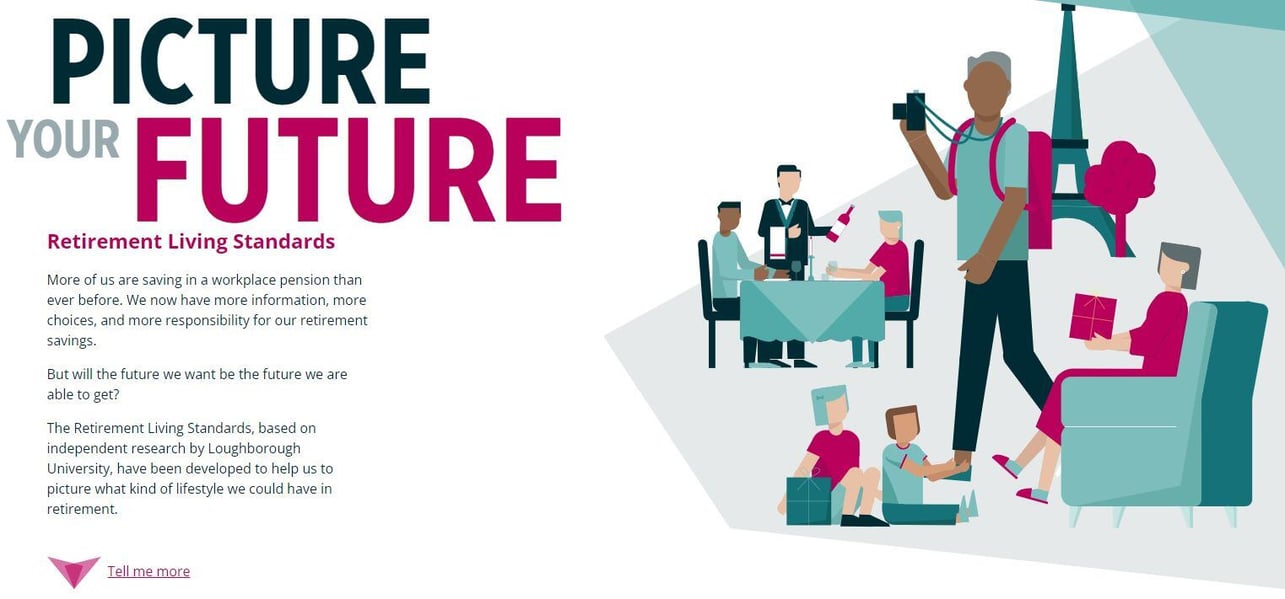
The Retirement Living Standards organisation, established by the Pensions and Lifetime Savings Association (PLSA), provides clear benchmarks to help people understand how much they need to save for retirement. The standards outline three levels of retirement lifestyles based on annual income needs.
- Minimum
- Moderate
- Comfortable
These categories consider typical living expenses such as housing, transportation, food, and leisure activities, offering a practical framework for individuals to plan and save according to their desired standard of living in retirement. The goal is to simplify retirement planning and increase financial awareness.
Click here to visit The Retirement Living Standards Website and find out more!
THE NEW STATE PENSION
It is important for you to stay up to date with what benefits you are entitled to from the Government, specifically in relation to the State Pension. The 'New' State Pension is what is currently in place and will be relevant to you if you are a male born on or after 6th April 1951, or female born on or after 6th April 1953. If you reached State Pension age before 6th April 2016, these rules do not apply. Instead you'll get the basic State Pension.
You'll be eligible for the full amount of the New State Pension if you have 35 qualifying years of paying National Insurance contributions. If you have paid between 10 and 35 years worth of National Insurance contributions then you may be entitled to a proportion of the new State Pension. To view how much State Pension you could get, when you can get it and how to increase it (if you do not have the full 35 qualifying years) you can check your State Pension Forecast on the GOV.UK website here.
The Full State Pension (2024/25) tax year, is currently set at £221.20 per week. If you reached State Pension age before 6th April 2016, you'll get a different amount under the Basic State Pension rules.
RETIREMENT PLANNING AND PERSONALISED ADVICE
For more details on how you can maximise your pension and retirement planning, Bowmore Financial Planning Ltd offer a no-cost discovery meeting with one of our Chartered Financial Planners to determine if our services will be beneficial based on your circumstances and needs.
If professional financial planning is then agreed upon, the cost for our services will be clearly laid out prior to any actions undertaken.
To find out more about Bowmore Financial Planning Ltd you can visit our website at www.bowmorefp.com, or to enquire about our services, please contact Bowmore via the below:
Phone: 01275 462 469
Email: Enquiries@bowmorefp.com
Post: Farleigh House, Farleigh Court, Old Weston Road, Flax Bourton, Bristol BS48 1UR